
The latest film from Greek filmmaker Yorgos Lantimos has quickly emerged as one of the most highly anticipated premieres at the 61st annual New York Film Festival, drawing the attention of both critics and fans alike.
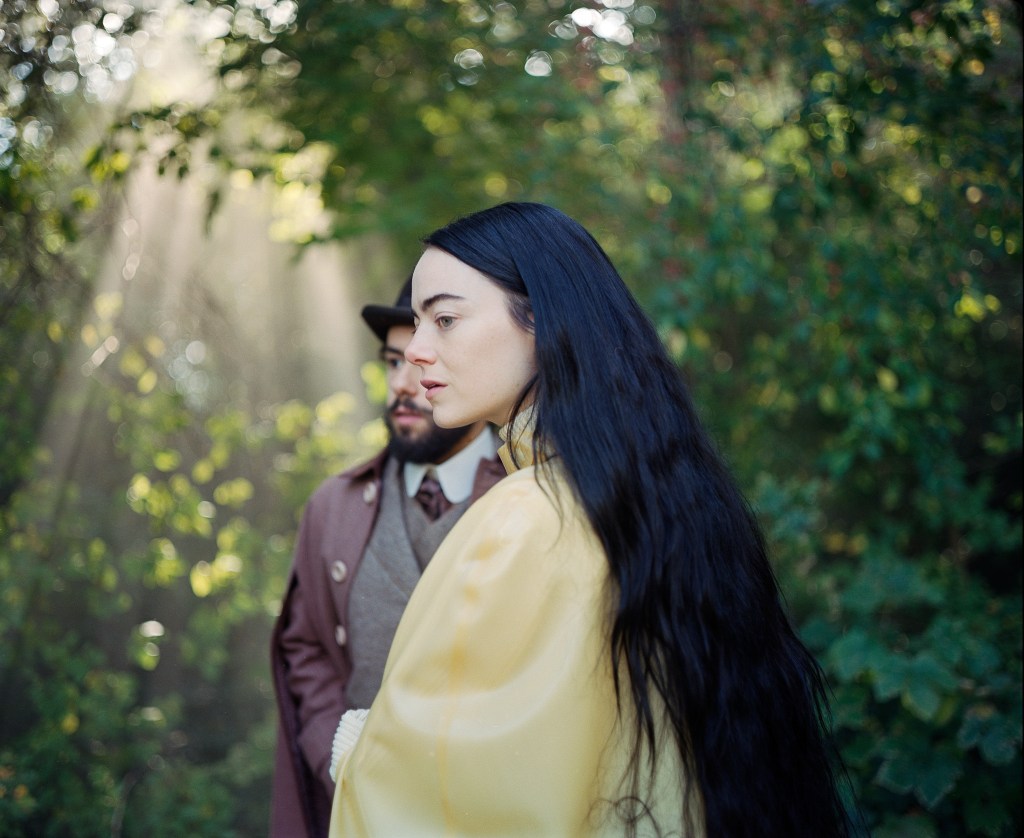
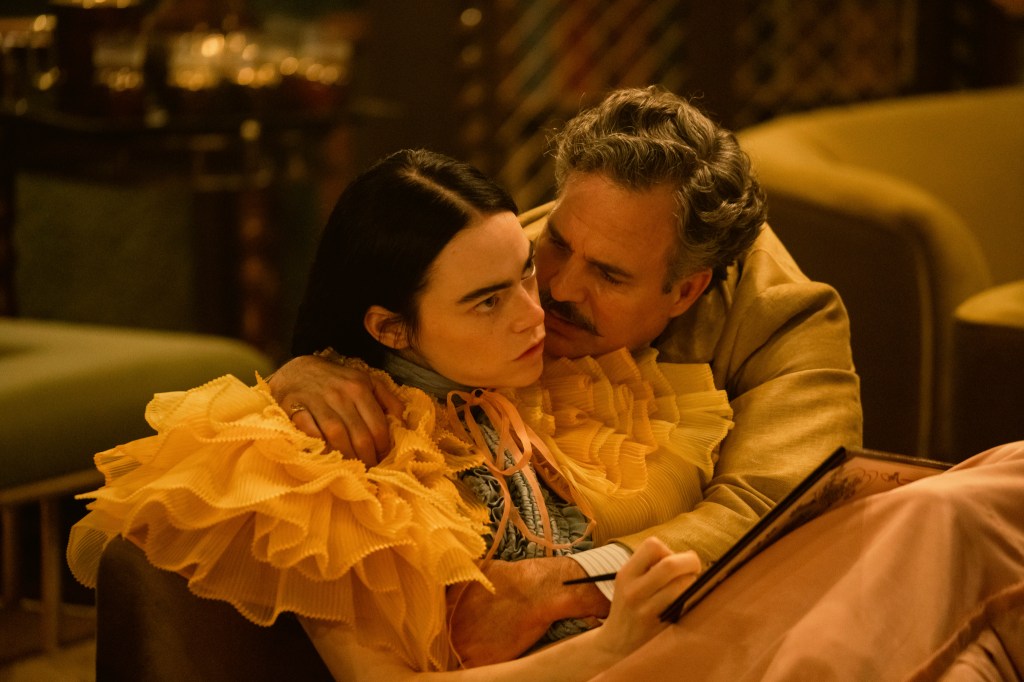
Poor Things, loosely adapted from Alasdair Gray’s novel of the same name, is set in a steampunk-futuristic Victorian England and tells the story of Bella Baxter (Emma Stone), a woman who has died and been reanimated with the mind of her unborn child by crazed scientist Godwin Baxter (Willem Dafoe). In following Bella’s journey, the film explores many themes of introspection, discovery, sexual liberation, and greed among others. From taking her first steps, to exploring the nature of the human body and societal conventions, Bella’s journey and clash with the stark realities of the world around her as an inexperiences adult woman with a childlike innocence creates a compelling, Frankensteinian premise that manages to remain thought-provoking while also being comedic, strange and extremely discomforting at times.
While the screenplay is complex and thematically rich, it’s effectiveness must also be attributed to the incredible performances given throughout the film. Willem Dafoe as the deranged, yet compassionate scientist playing God is perhaps a perfect casting in this role. Seamlessly fit to the character, the portrayal adds a depth to the film’s exploration of ethics, morality and power. Similarly, Mark Ruffalo gives an amazing, extremely comedic and emotionally layered performance in his role as Duncan Wedderburn. The rest of the supporting cast, such as Ramy Youssef and many more, deliver strongly and enhance the atmosphere of the film’s vibrant world. Though without a doubt, the standout performance in this film is given by none other than the lead star, Emma Stone. The anchor of the film’s core, Stone’s role as Bella Baxter may be one of the best this year, and may even be the greatest work of her career. The complexity of the character demands an intense acting range that Stone rises to effortlessly. It is a performance certain to be a standout favorite throughout awards season.

The stacked talent in the acting department is matched by exceptional filmmaking and production elements, which come together to create a visually stunning and immersive experience. The cinematography is inexplicably unique with its use of fisheye, vignette and distorted framing. This film is shot like nothing I’ve ever seen before. Color palettes are vibrant, set pieces are breathtaking and costume designs are marvellous. The score is haunting, odd and fitting. Each element is flawlessly crafter and harmonizes to create a true cinematic spectacle.
Speaking at the NYFF press conference on the journey to making this film, Lanthimos recounted how he initially approached Alasdair Gray about adapting the novel. At the time of his meeting with the author, Lanthimo had not yet directed a major English feature and was primarily recognized for his work on Dogtooth (2011). It became difficult for him to get the project off the ground at first, despite his acclaim. Since then, the Greek filmmaker has gone on to direct widely popular films such as The Lobster (2015), The Killing of a Sacred Deer (2017) and The Favourite (2018). Each have been marked by a distinct style and oddness that has reflected Lanthimos’ evolution as an artist. This growth, and his unwavering vision to bring this story to life, enabled him to finally bring Poor Things to fruition.
For those that are familiar with Lanthimos’ previous works, his surrealist storytelling, provocative themes, unsettling atmosphere, and deadpan humor should come as no surprise as Poor Things is no exception to his style. As many of his films do, Poor Things delves into the absurdity of human behavior, an exploration of sexuality, identity and societal nuances bold and shamelessly. It is without a doubt that this film is bound to be met with some controversy, given its daring commentary and uncomfortable challenges. The film makes an effort to explore taboo subjects in unsettling, sometimes grotesque, scenarios. Themes explored in extreme ways may be considered offensive, controversial or polarizing. Regardless of whether the response is positive or negative, Poor Things will inevitably ignite discussions about the nature of art and storytelling, along with the sensitive issues it tackles.
 Cinema Debate
You must be logged in to post a comment.