
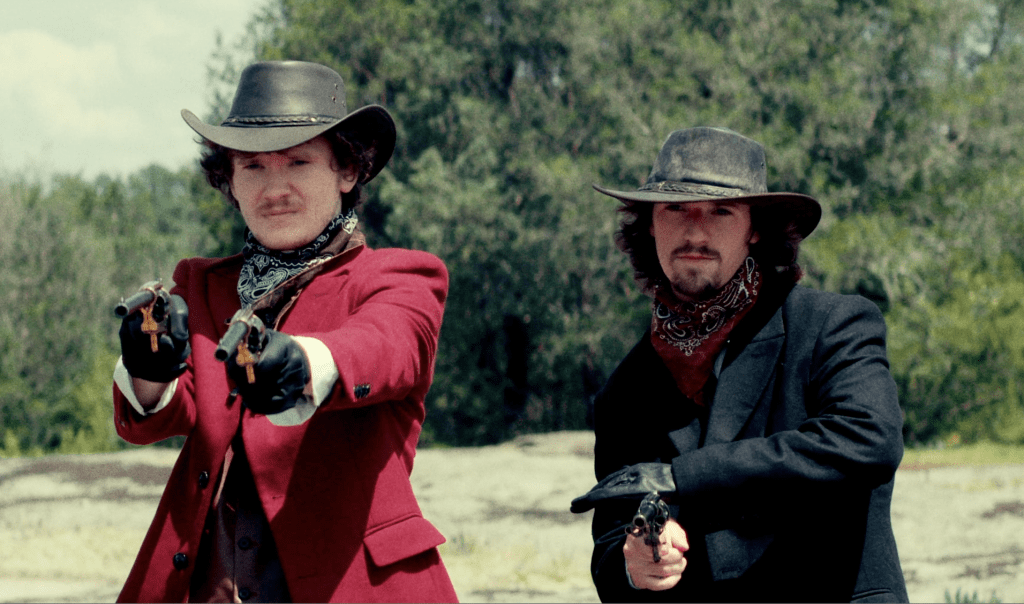
Part western, part horror, and with a twist of whodunit sprinkled throughout, Death After Dusk feels like a tribute to many genres of film. The third film in the young career of director Chandler Bali, Death After Dusk continues to showcase his fiery passion and quickly refining hand at filmmaking.
The majority of films covered by Cinema Debate have been categorized in three ways; blockbusters, award contenders, and film festival highlights. Admittedly, independent films have always been a pleasant palette cleanser between the bigger-budget productions. There is something freeing about reviewing a film in the budget range of Death After Dusk. While many elements are not as polished as a studio-level film, there is a rawness and freedom to this world that is simply unmatched. Bali thrives in this freedom and it is palpable throughout.
In a film co-written, directed, and starring Bali, there is an unquestioned method to the madness at play. As director, Bali’s visual language continues to bear fruit, building off his first two works and building a cinematic through-line over the last five years. While some streamlining of the screenplay and cleaning up some messy shots are just part and parcel of a young career, there is a love for the game that shines through.

Death After Dusk follows bounty hunters Skinny (Bali) and Short (Addison Chapman). Their backstories are fairly simple and clean, battling through various personal traumas that led them into their troubled way of life. The supporting cast of bounty hunters, sheriffs, and the townsfolk are solid and fun enough to follow around, though it’s most interesting with the main duo on screen. For an indie western, you don’t want to complicate characters, and this film doesn’t try to. The backdrop of the film features a serial killer in a small town with a bunch of hunters is enough to keep a viewer engaged. While it suffers from a very ambitious runtime, the chapter structure and twists help move it along.
With a budget of $10K, Bali’s team does a strong job keeping the production lean and efficient. Indie films are tough to grade, as perspective and context matters case to case. Given the scope of the budget and production time, it is quite remarkable how well things finalized. A particular shout-out must go to the costume design. Beyza Nur Apaydin brought a keen sense of talent and detail when it wardrobe in the film. In particular, the costume for Skinny is vibrant and quick to recognize, establishing both his presence as the protagonist, as well as the thematic grandeur of the character’s introduction. Makeup, hairstyling, and practical effects are all on par as well.
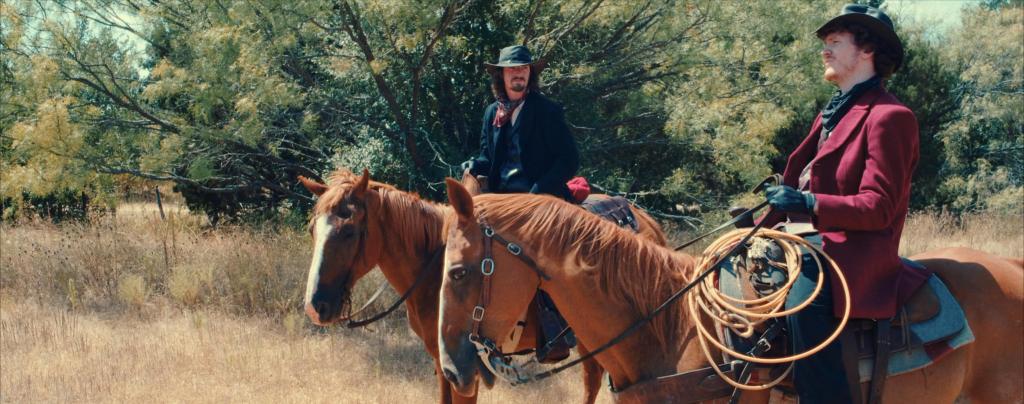
It is worth pointing out for both transparency and a reminder for long-time readers that both Chandler Bali and Beyza Nur Apaydin have previously contributed to Cinema Debate. From 2017-2018, Bali wrote about his favorite films and directing styles. In the same timeframe, Apaydin wrote about film, with a particular focus on costume design. One of her articles on the subject was featured in classroom curriculums. The film even features a short-term contributor for the team in Joseph Baire. As their friend and colleague, I feel nothing but happiness and pride for how far they’ve come. Bali’s directing has improved by leaps and bounds as his style solidifies its identity. As his budgets increase, his craftsmanship level increases alongside it. For Apaydin, her eye for fashion in film has proved itself on the film stage in spades. If I know their dedication and passion for their industry, then I”m confident that the sky is the limit.
Overall, Death After Dusk is an enjoyable Western thriller and pays homage to many of the films they’ve been inspired by. Like many indies, there are elements that can be jarring, and this film fights hard to stand up to a demanding runtime, but the love for filmmaking is tangible and real throughout, creating an enjoyable experience.
3.5/5

 Cinema Debate
You must be logged in to post a comment.